How Our Website Can Help Parents Prepare for NZ School Checks

The idea of a school check can stir up a weird mix of feelings. On one hand, it’s good to know someone is looking out for children before they start school. On the other, no parent loves the thought of their child being “checked” or measured against a list.
National’s announcement about school checks for every child in New Zealand has put school readiness back in the spotlight. The detail may still evolve, but the broad idea is simple: spot needs earlier, support children sooner, and help tamariki arrive at school with fewer hidden barriers.
That’s where our website can help. Not by turning preschool into homework, and not by making children perform. The real value is helping parents understand what these checks may look at, what feels normal at this age, and how to build confidence through everyday play.
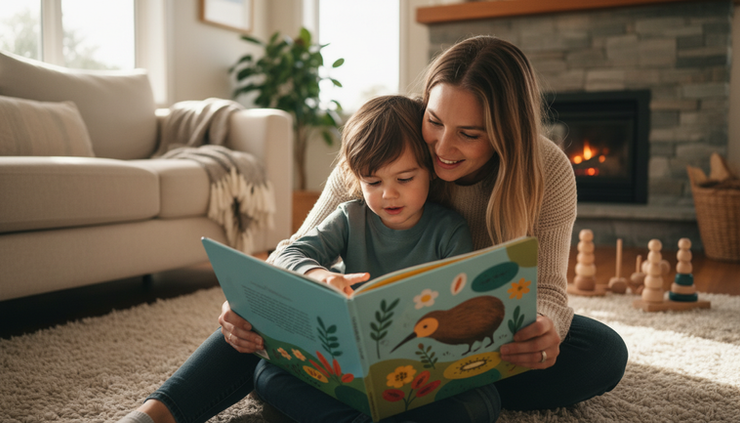
School checks should feel helpful, not scary
New Zealand already has early childhood health and development checks. The B4 School Check, run through the health system, is a well-known example. It’s offered to 4-year-olds and usually looks at areas such as growth, hearing, vision, oral health, behaviour, and development.
A wider preschool check may sit alongside existing supports, or bring more focus to what children need before starting school. Either way, the best version of a check is not a pass or fail moment. It’s a chance to notice things early.
That might include:
Speech and language development
Social confidence
Fine motor skills, like holding a pencil or using scissors
Self-care, like toileting, handwashing, and managing a lunchbox
Emotional skills, like coping with small frustrations
Early learning habits, like listening, taking turns, and following simple instructions
None of these skills appear overnight. Children build them through normal life: getting dressed, helping with kai, playing outside, listening to stories, visiting the library, and chatting in the car.
Our website helps make those small moments easier to spot.
What parents often want to know before a check
Most parents don’t need a lecture on child development. They need straight answers.
Questions like:
Is my child meant to know their letters before school?
Should they be writing their name?
What if they still struggle to sit still?
Is shyness a problem?
How much help should they need in the bathroom?
What happens if the check picks something up?
Our site is built around those everyday questions. It explains school readiness in plain language, without making it sound like 4-year-olds need to be tiny Year 1 students.
Starting school is a big move, but school readiness is more than knowing numbers or the alphabet. It includes confidence, communication, independence, and curiosity. A child who can ask for help, open their lunchbox, listen to a short story, and recover after a small disappointment is already bringing valuable skills into the classroom.

How our website helps with the practical stuff
A preschool check can feel vague until it’s broken into real-life examples. That’s the gap our website fills.
It turns big areas into simple signs
Instead of saying “fine motor development”, we explain what that might look like at home.
For example, a child might be practising fine motor skills when they:
Put pegs on a washing line
Build with blocks
Thread beads
Peel a mandarin
Draw circles, lines, and people
Use playdough, tongs, or tweezers
Those things might seem small, but they help build the hand strength and control children use later for writing, cutting, and managing classroom tools.
It gives ideas that don’t need fancy gear
Parents shouldn’t have to buy a pile of educational toys to prepare for a preschool check. Many of the best activities use what’s already at home.
A few examples:
Count socks while folding washing
Talk about colours while putting groceries away
Practise turn-taking with a simple card game
Ask “what happened first?” after reading a story
Let children pour water between cups in the bath
Pack a lunchbox together and practise opening containers
These activities support learning, but they still feel like family life. That matters, because children learn best when they feel safe and interested.
It can help you notice patterns before the check
One of the hardest parts of any assessment is remembering examples on the spot. A nurse, teacher, or assessor might ask about speech, sleep, behaviour, or self-care, and suddenly the mind goes blank.
Our website can help parents keep track of what they’re seeing over time.
Not in a stressful checklist way. More like:
“They can follow one-step instructions, but two steps are harder.”
“They talk a lot at home, but freeze with unfamiliar adults.”
“They can dress themselves, except for buttons.”
“They love books, but avoid drawing.”
“They cope well with routines, but struggle when plans change.”
That kind of detail is genuinely useful. It helps professionals understand the child in context, not just in one short appointment.

It supports parents if something is picked up
This part matters most.
If a B4 school check raises a concern, it doesn’t mean anyone has failed. It means there may be a chance to get support earlier. That could be help with speech and language, hearing, vision, behaviour, learning, or emotional regulation.
Early support can make a real difference. New Zealand’s child health and education services often encourage early identification because small needs can become bigger once school starts, especially in busy classrooms.
Our website can help parents prepare for what to ask next, such as:
Who should we talk to first?
Is this something to monitor, or act on now?
Can the early learning centre support this?
Should we ask the GP, Plunket nurse, hearing and vision service, or another provider?
What can we do at home while we wait?
The goal isn’t to diagnose children online. It’s to help parents feel less lost and more ready to have a useful conversation.
It keeps the focus on the whole child
A good preschool check should never reduce a child to a score. Children develop at different rates. Culture, language, whānau life, health, personality, and early learning experiences all shape how they show what they know.
Some children are chatty at home and quiet in public. Some can count to 20 but still need help joining group play. Some are physically bold but find drawing frustrating. Some speak more than one language and may show their skills differently depending on who they’re with.
Our site keeps that wider picture in mind. It helps parents look at the whole child, not just academic skills.
That includes:
Confidence
Relationships
Communication
Independence
Movement
Play
Curiosity
Emotional safety
Those are the foundations children carry into school.

A preschool check is one moment. Preparation happens every day
The National announcement has started a bigger conversation about how New Zealand supports children before school. That conversation is worth having.
But for families, the day-to-day question is simpler: “What can we do now?”
The answer doesn’t have to be complicated. Read together. Talk together. Play together. Let children practise doing things for themselves. Notice what feels easy and what feels hard. Write down questions before appointments. Ask for help early when something doesn’t feel right.
Our website is here to make that easier, with clear information, simple activity ideas, and parent-friendly guidance that fits real life.
A preschool check may happen on one day, but confidence grows in all the ordinary moments before it.


